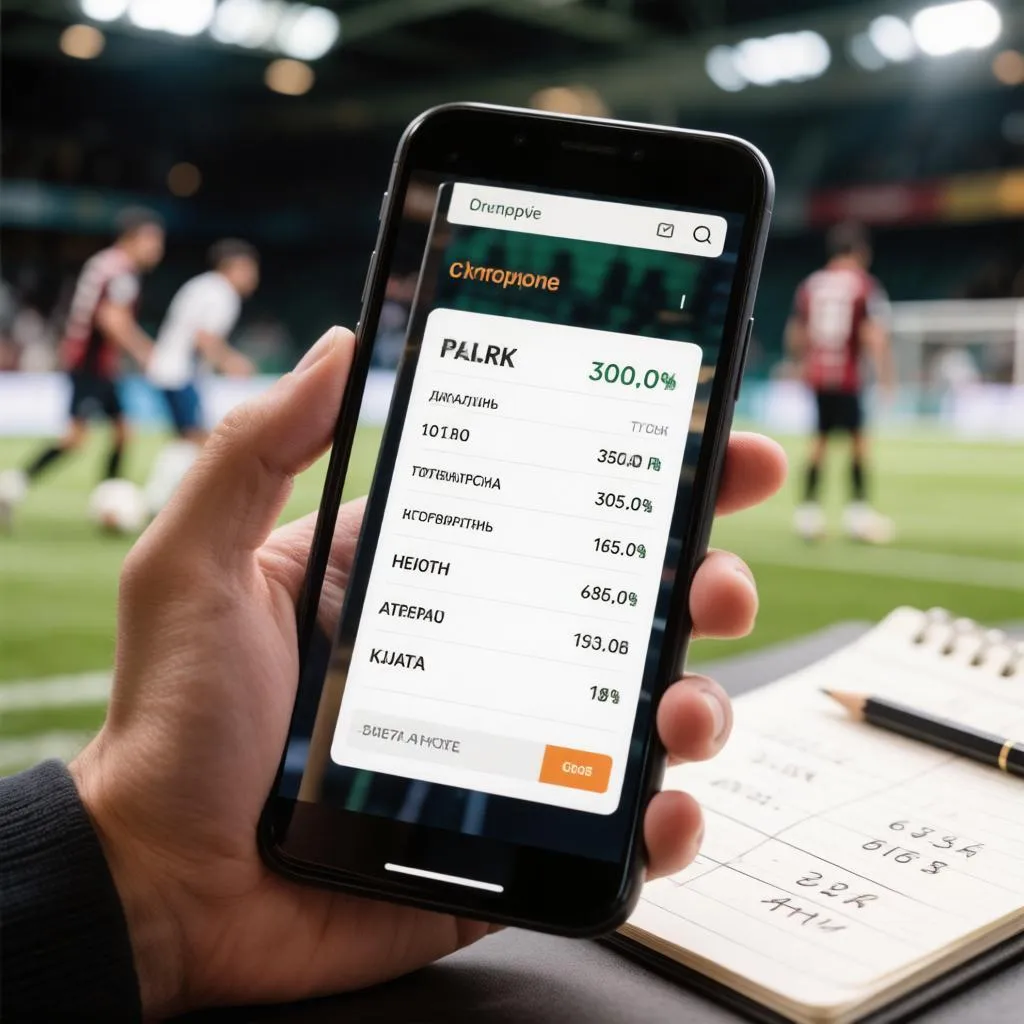
Ask a room full of bettors what draws them to sports betting and few will say “the scoreboard.” The most personal way to wager on a game is through player props — markets that ask not who wins, but what a specific athlete will do during the match. Will the quarterback throw for 250 yards? Will the striker score first? Will the point guard grab more rebounds than the opposing center? Once a niche corner of the industry, prop betting has become a pillar of modern sportsbooks, fueled by legal expansion and the explosion of same game parlays, which stitch together multiple player markets into one ticket. Yet props are also among the most misunderstood bets, because their settlement rules are stricter and stranger than most people expect.
What player props are and why they exploded
A prop bet — short for “proposition bet” — is any wager on an event within a game rather than the game’s final result. Instead of asking which team wins, a prop asks whether an individual player reaches a statistical threshold: points, goals, yards, assists, tackles, saves, minutes played. The market removes team outcomes from the equation entirely. A star forward can score twice and still lose your prop if his team collapses around him.
The growth has been dramatic. Modern sportsbooks list hundreds of player markets for a single soccer or basketball game, and player props are the most common building blocks inside bet builders and same game parlays. Three forces drove this: legal online betting spread across states and countries, sportsbooks discovered that casual bettors engage far more deeply when following specific athletes, and fantasy sports trained an entire generation to think in player statistics before they ever touched a sportsbook.
The main types of player props
Prop markets fall into recognizable families, and knowing the categories helps you find the angle you actually want to bet. Most sportsbooks organize their boards in roughly this shape:
- Performance props — over or under on a statistical threshold: points, goals, yards, tackles, saves, minutes.
- Scorer props — anytime scorer, first goalscorer, last goalscorer, or a player to score and their team to win.
- Combination props — a player to record 20 points and 10 rebounds, a quarterback to throw a touchdown and 200 passing yards.
- Head to head props — comparing two players directly, such as which striker scores more goals or which running back rushes for more yards.
- Milestone props — a player to reach a career record, break a scoring mark or hit a season milestone in this game.
- Exotic props — anything creative the book can imagine: a player to be shown a card, to commit the first foul, or to be substituted before a specific minute.
Performance and scorer props dominate the volume because they are simple to understand and settle cleanly. Exotic props carry the highest margins, since the sportsbook prices uncertainty and entertainment value together, and they are usually the least favorable bets on the board in pure expected value terms.
How prop odds are priced
Sportsbooks do not price props by watching players warm up. Every line begins with a statistical model that estimates a probability distribution for the player’s performance — how likely a striker is to score, how likely a point guard is to exceed 25.5 points. The model factors in the opponent’s defensive profile, recent form, minutes expectation, weather, injuries and even lineup announcements. From that distribution, the book generates a price, then adds margin.
Because each player market is priced independently, the margins stack differently than in main markets. A moneyline might carry 4–5% margin; a niche player prop can carry 8–10% or more, particularly in lower profile leagues. This is why experienced bettors treat props as a market where the house edge is higher by default, and why finding value requires either genuine knowledge of a player’s situation or a specific reason to believe the book’s model has mispriced something — like an underreported injury, a rotation change, or a weather shift the line has not caught up with.
One more pricing quirk is worth knowing. When you bet over and under on the same statistical line, the two prices are deliberately unequal. A typical prop might list the over at -120 and the under at -110. That difference is the book’s margin, and it means you cannot arbitrage the two sides for a guaranteed profit — the house has priced the gap so that backing both sides always loses slightly.
juvenile sentence case
Settlement rules: where props get complicated
This is the section that separates informed prop bettors from frustrated ones. Prop bets settle on officially recorded statistics, and those statistics follow sport specific rules that frequently surprise casual users. What counts and what does not is determined by official league statistics, not by what you saw on your screen or what the commentary said.
In football, the NFL counts passing yards in whole units, so a play that gains 14.5 official yards rounds down, and sacked quarterbacks lose passing yards rather than gaining rushing yards — a distinction that has settled thousands of bets across the country. In basketball, the box score after the final buzzer is final, with the exception of statistical corrections made by the league within a set window, usually a day. In soccer, anything that stops the match early — a red card, crowd trouble, an abandoned game — can void player props entirely, and the scorer props that do survive often hinge on whether a deflected shot counts as a shot on target. Deflected goals still count as goals and shots on target for settlement, even when the deflection was the only reason the ball crossed the line.
Across all sports, three settlement principles hold true:
- Statistics are taken from the official league data feed, not from television, social media or your own tally.
- A player must be in the starting lineup and take part for the prop to be valid, though the exact participation requirement varies by book — some void props for players who do not start, others settle normally for any player who takes the field.
- Postponed or abandoned events follow the house rules on that sportsbook, and since house rules differ between books, reading them before placing bets is not optional.
What voids a player prop
Voiding is the single most confusing part of prop settlement for new bettors, because it depends entirely on each sportsbook’s house rules. There is no universal standard. The most common trigger points include:
- The player does not play at all, or plays fewer minutes than the book’s stated minimum (many books void below a stated minutes threshold in basketball).
- The match is abandoned before a defined point (some books settle stats props if at least 55 minutes have been played, others void all props regardless).
- A statistical correction by the league after the fact — rare, but it happens, and settlement follows the corrected figures. late count of a stat correction (some books accept league corrections within 24 hours, others settle on the initial box score).
The variability here is the point. Two books can settle the same prop differently on the same match, so knowing your sportsbook’s rules — before the game, not after — is part of the skill. Screenshots of the house rules for your primary books cost nothing and save arguments later.
Reading a prop line like a professional
The line itself encodes the book’s expectation. A striker priced to go over 2.5 shots on target at -130 tells you the model sees roughly 56% probability of three or more shots on target. Reading lines this way turns prop betting from guessing into analysis: you are no longer betting on whether a player scores, you are betting on whether the book’s estimate of a specific outcome is wrong by enough to exploit.
Professional prop bettors follow a repeatable routine. They start with news, because an injury to a teammate can shift minutes and usage for everyone on the roster, and lineup announcements often land shortly before kickoff and move lines fast. Then they compare prices across books, since prop margins vary widely between operators and the same player prop can differ by 10–20 cents on the same line. Line shopping matters more for props than for main markets precisely because margins are higher and vary more. Finally, they bet only where the model is weakest — low profile leagues, second tier soccer, early season basketball — where bookmakers’ models are thinnest and mistakes occasionally slip through.
The role of props in same game parlays
The rise of the bet builder deserves its own mention, because player props are the raw material of same game parlays. A typical SGP might combine a striker to score, his team to win and the total to go over these outcomes are linked, the payout is calculated by multiplying the odds, and then the book applies a correlation pricing penalty, shortening the combined price so that it reflects the true joint probability of the linked outcomes. The result: SGPs are entertainment products by design, and the correlation penalty makes them the highest margin product on most sportsbook menus.
Understanding that mechanism changes how you use props in builders. Two selections that are heavily linked pay far less than their standalone prices suggest, while loosely linked props pay closer to their fair combined value. Knowing the difference between tightly and loosely correlated legs is the difference between an SGP that is fairly priced and one that is quietly expensive.
Getting started without losing your shirt
The first few prop bets should be cheap and educational, not ambitious and expensive. A practical starting routine looks like this:
- Pick a sport and a league you actually follow, and stick to it — knowledge depth beats market breadth every time in prop betting.
- Track your bets in a simple spreadsheet: market, price, result, and a note on why you placed it, so patterns in your own judgment become visible over time bet tracking spreadsheet columns: date, sport, market, player, line, price, result, and why.
- Shop the same prop across at least two or three sportsbooks before placing, and log the best price found — the margins differ more between books than most bettors realize.
- Start with performance props (over/under on a threshold) rather than exotic markets, because settlement is clean and the pricing is tighter.
- Revisit your logged bets after a month and calculate your closing line value — whether the market’s final price moved in your favor after you bet — to see if you are actually beating the closing number.
That routine sounds mundane, but it is exactly what separates bettors who last from bettors who vanish. The spreadsheet reveals your own biases, line shopping compounds small edges into real savings, and closing line value tells you whether your opinions are beating the market or merely winning by luck.
The bottom line
Player props reward preparation, punish impulse, and settle on facts rather than impressions. The market covers everything from a striker’s shots on target to a quarterback’s passing yards, the odds reflect the book’s statistical model plus a heavier margin than main markets, and settlement follows official statistics and house rules that vary between operators. Learn the categories, read the house rules before you place a bet, shop the price across books and keep an honest record of your results. Do that, and player props become a precise, engaging way to bet on the athletes you already watch — rather than an expensive lottery with better branding.